
Best Rose Garden Walks at selkora
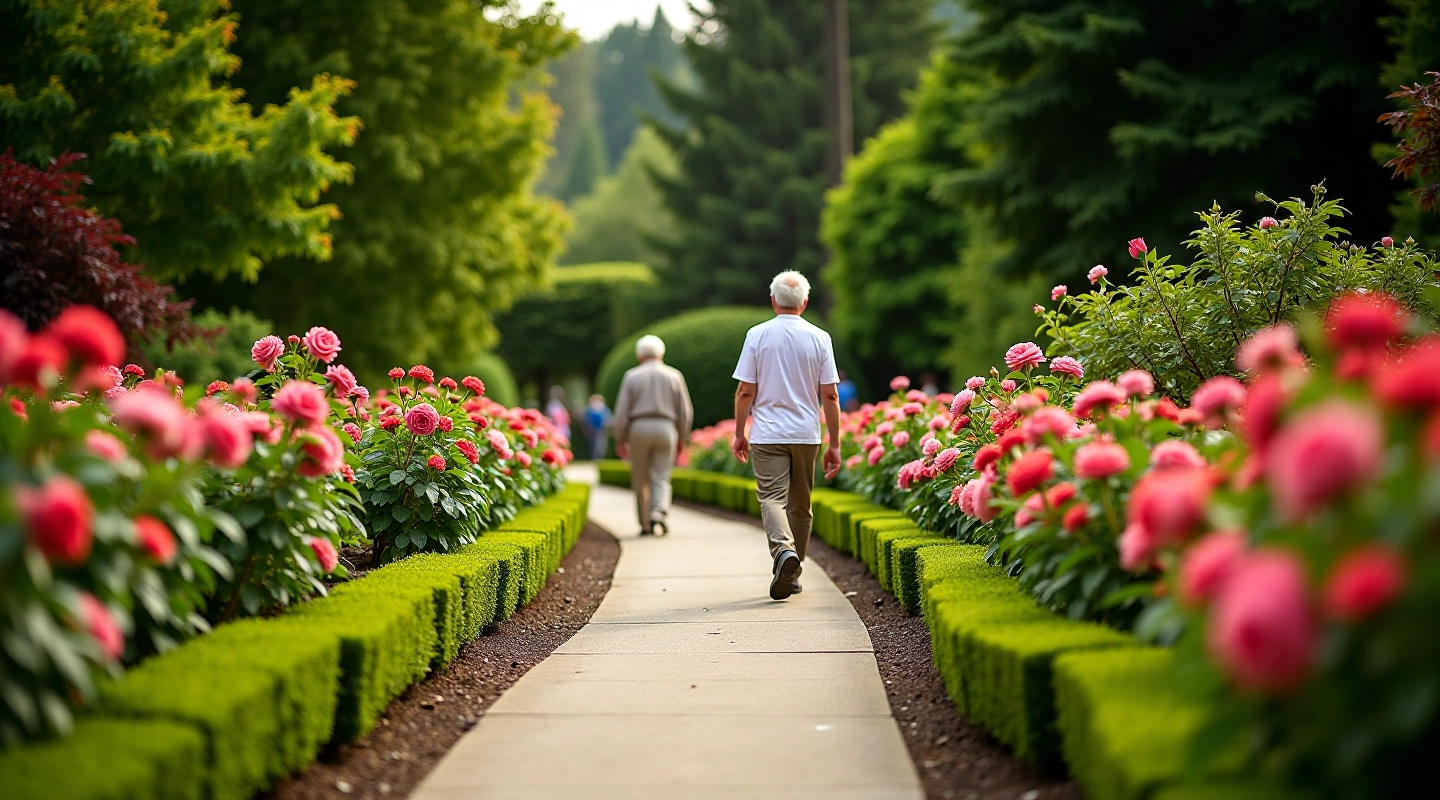
Three main routes through the rose beds, each designed for comfortable pacing. Blooms peak in June and July, with repeat varieties extending the season through September.
Climate-controlled comfort in every season. Accessible routes perfect for steady walking and exploration.
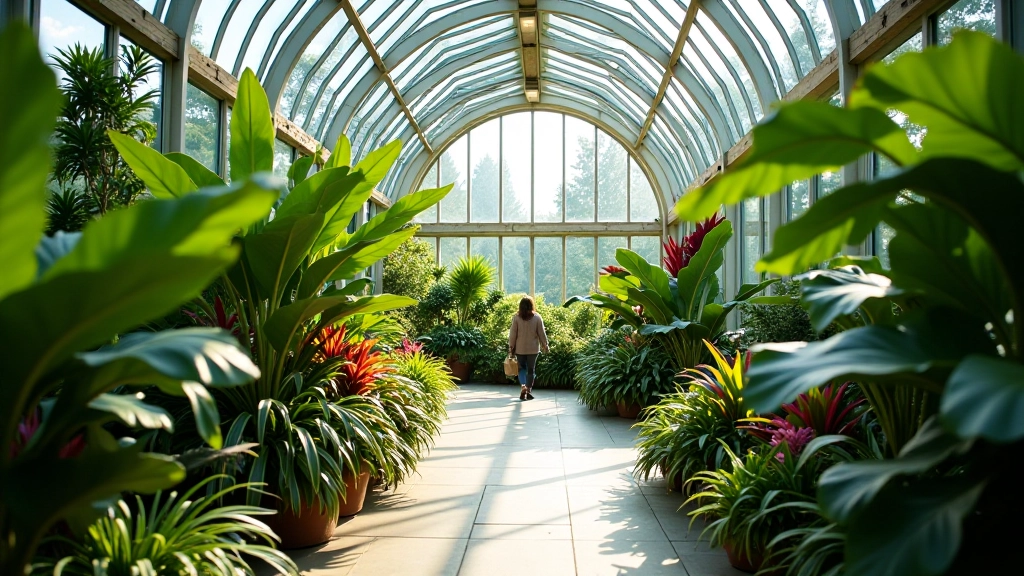
The conservatory at selkora offers something most outdoor gardens can't: guaranteed comfort. You're walking through controlled climate and natural light without worrying about weather. Whether it's raining in November or hot in July, the temperature stays pleasant and the humidity feels just right.
We've mapped out the main paths, rest areas, and points of interest. You'll find detailed information about distance, surface types, and accessibility features. Most people finish a full conservatory loop in 45 to 60 minutes at a comfortable pace.
There are three distinct paths through the conservatory, and they're all connected. You can do a short 15-minute stroll, a moderate 45-minute walk, or combine them for nearly 90 minutes of continuous exploration. Each route has clear signage and the flooring changes slightly between zones so you always know where you are.
The entrance loop is the easiest — flat, wide, and opens up to the main tropical house. From there, you've got the option to head left toward the orchid section or right toward the palm galleries. Both directions are equally accessible, and they reconnect at the far end.
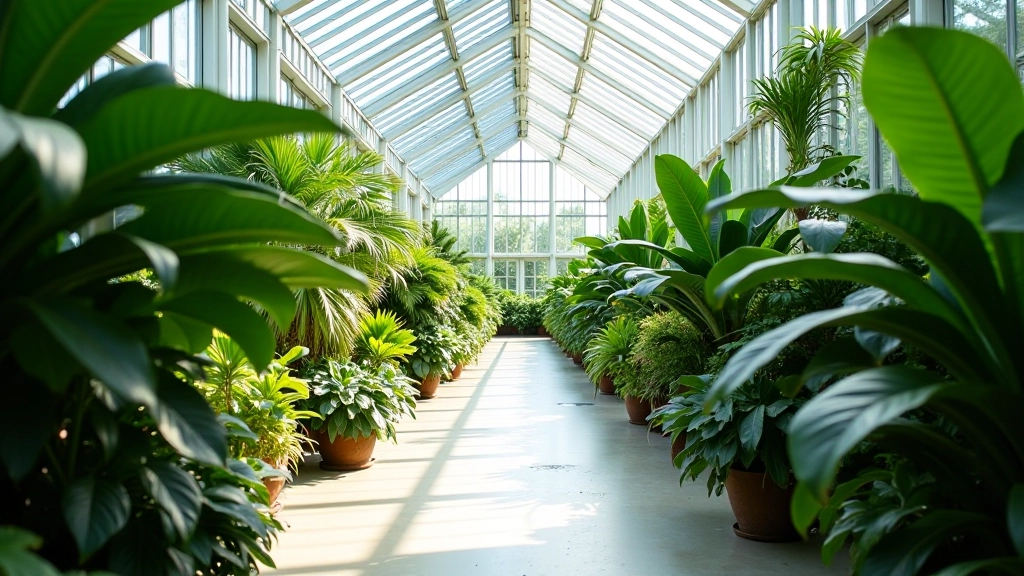
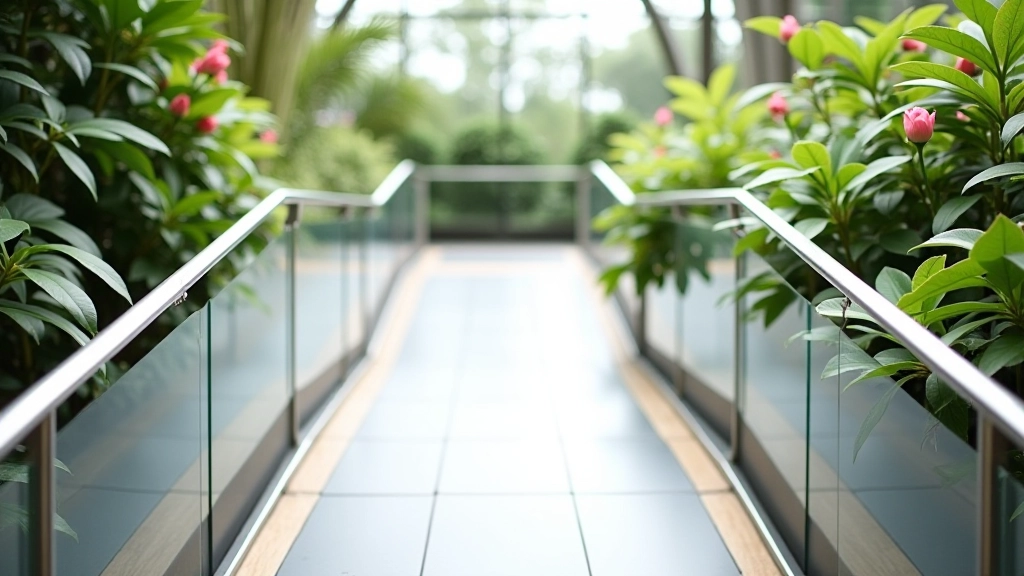
Walking surfaces are polished concrete with embedded anti-slip patterns. It's smooth enough for rolling walkers or wheelchairs, but textured so nobody slips on the occasional water spill from the misters. Ramps between levels are gentle — maximum 1 in 12 slope, which means you're not pushing hard or straining.
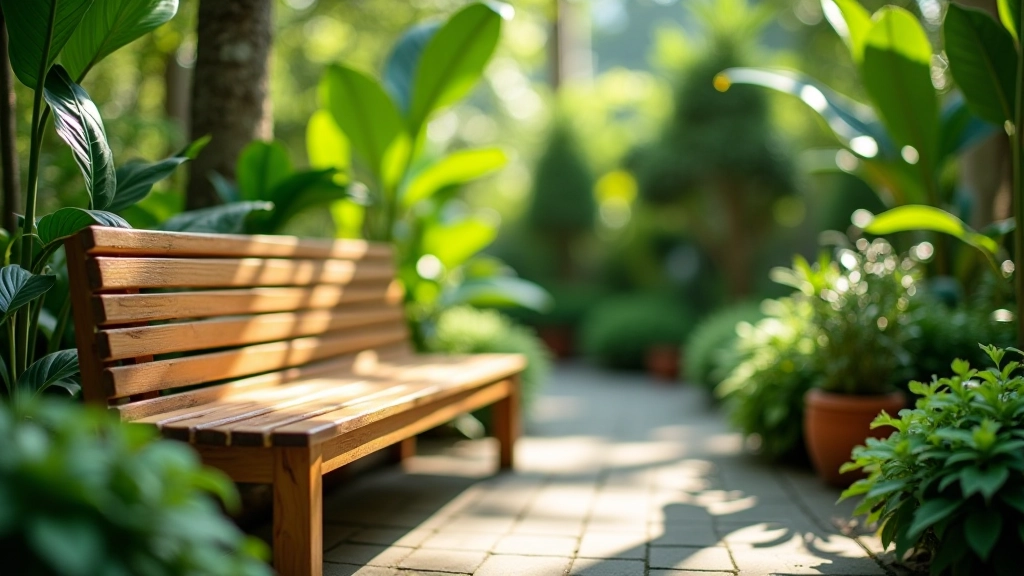
You won't have to walk more than 150 feet before hitting a bench. We counted 23 benches total throughout the conservatory, and they're positioned at natural viewing spots — usually where the plant displays shift or where light pools in nicely.
The benches vary. Some are wood slats facing inward toward plant collections. Others are backless ledges built into alcoves. A few have armrests on both sides, which some people find helpful for standing up again. All of them face something interesting — you're not sitting with your back to the action.
Water fountains are positioned near the entrance and at two interior stations. Restrooms are accessible and located near the central hub. You'll find a small seating area with chairs near the restroom corridor if you need a longer rest — it's air-conditioned and quiet, away from the main path noise.
The entire conservatory was renovated in 2022 with accessibility in mind. Doorways are 36 inches minimum — wide enough for wheelchairs and walkers. There's no single step anywhere. Ramps connect all levels, and they're gradual enough that you don't feel like you're climbing.
Lighting is consistent throughout. It's all natural light from the glass roof structure, which creates some beautiful shadows but never leaves you in darkness. In winter, supplemental lighting kicks in during late afternoons. The environment stays around 70 degrees Fahrenheit year-round, so you're not overdressing or underdressing.
Handrails are installed on all ramps and at transition points. The railings are smooth stainless steel at a comfortable 36-inch height. Signage uses large, clear lettering — at least 1.5 inches tall — so navigation is straightforward even if your eyesight isn't perfect.
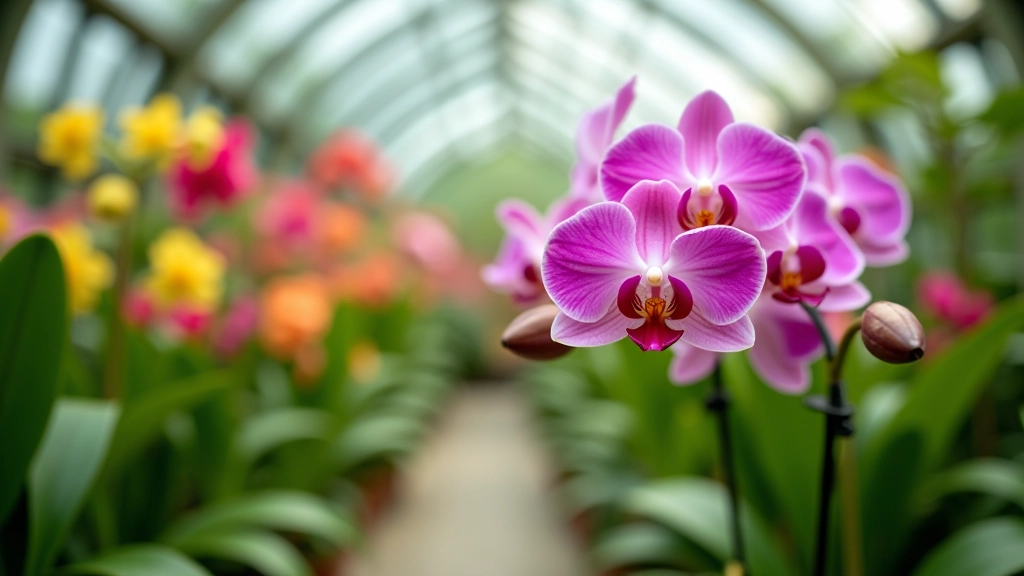
One of the best things about indoor walking is that the conservatory changes throughout the year without the chaos of outdoor weather. In spring, the orchid section explodes with color — purples, pinks, and whites fill the galleries from March through May. Summer brings peak tropical growth. The humidity feels richer and the plant foliage is dense and green.
Autumn shifts the focus to the palm section, where cooler colors and architectural plant shapes take center stage. Winter is when many people prefer the conservatory most. Outside it's grey and damp, but inside you're surrounded by green and warmth. The contrast makes the experience feel even more restorative.
Staff rotates plant displays seasonally, so even if you visit monthly, you'll notice changes. New specimens arrive, blooming collections shift, and educational displays highlight different plant families. It's never quite the same walk twice, which keeps regular visitors engaged.
This article provides informational guidance about the conservatory paths at selkora Botanical Garden. Route details, distances, and accessibility features are based on the 2022 renovations and current conditions. Garden facilities, hours, and specific features may change seasonally or due to maintenance. We recommend checking the official selkora website or calling ahead for current information before your visit. If you have mobility concerns or specific accessibility needs, contacting selkora directly will help ensure your visit is comfortable and well-planned.

Editorial Team
Created by the selkora Editorial Team, focused on practical, accessible guidance for garden walks and seasonal discovery.
Discover other walks through the gardens
Three main routes through the rose beds, each designed for comfortable pacing. Blooms peak in June and July, with repeat varieties extending the season through September.
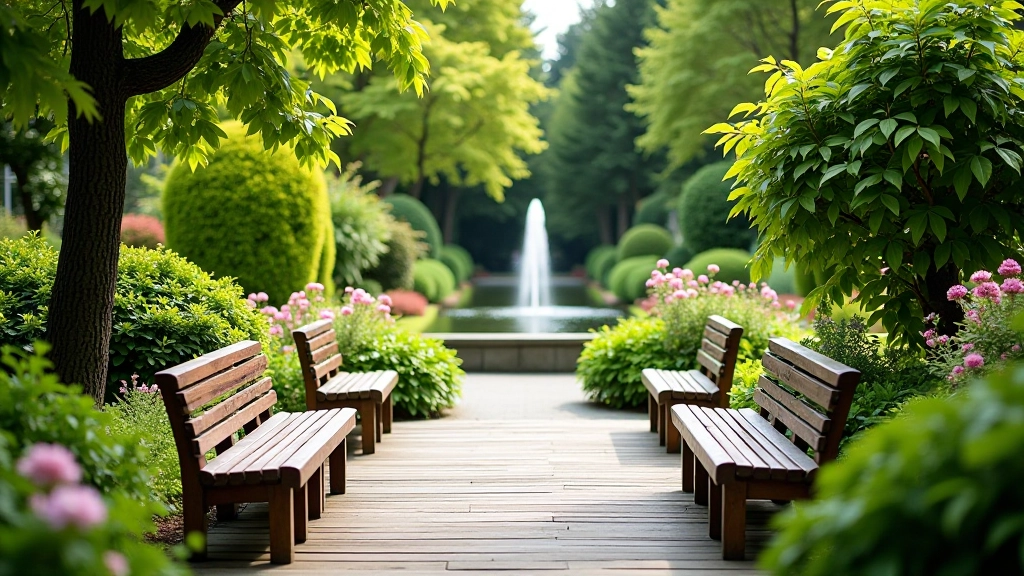
We've mapped every bench, water fountain, and shaded rest area. Walking distances between rest points and details about each viewing location for comfortable exploration.
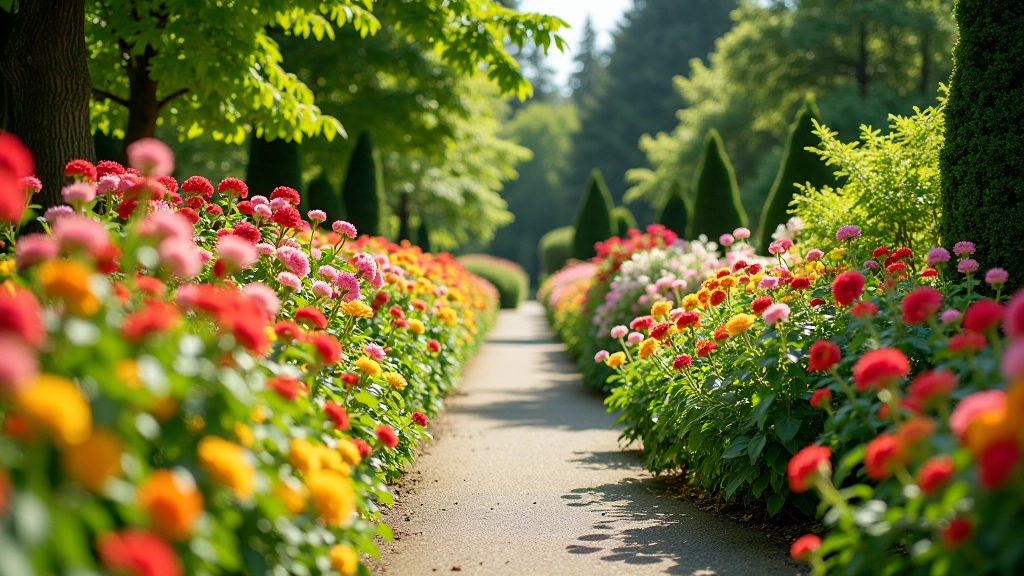
Different routes shine in different seasons. Summer roses, spring bulbs, fall colors, and winter structure. We've outlined which areas peak in each season.