
Best Rose Garden Walks at selkora
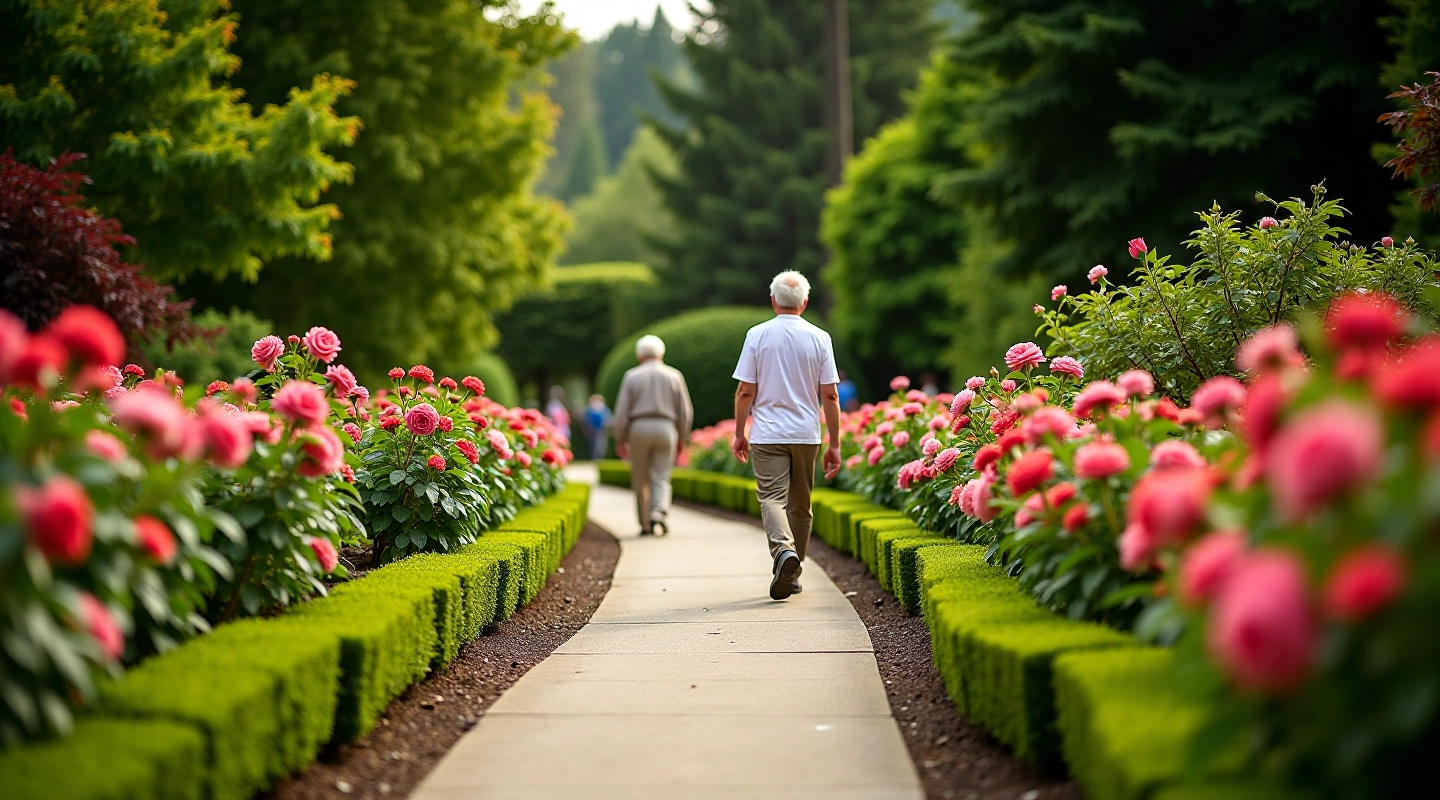
Three main routes through the rose beds, each designed for comfortable pacing. Best in June through August when blooms peak.
Read More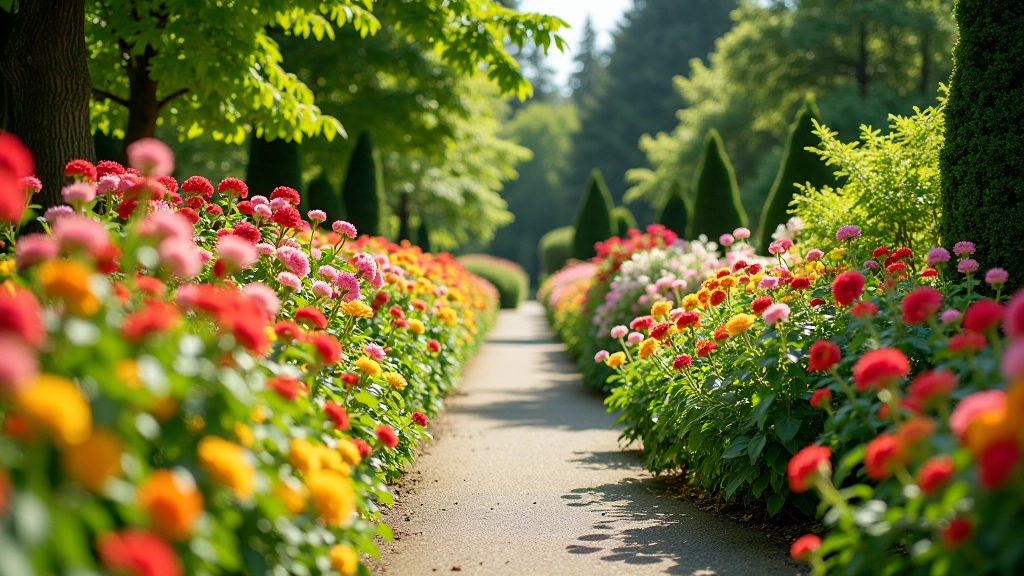
Different routes shine in different seasons. Summer roses, spring bulbs, fall colors — we break down the best months for each section and what to expect.
A garden isn't static. What blooms in April looks completely different in July, and that's the real magic.
The selkora Botanical Garden transforms with every season. We're not talking about just color changes — we're talking about completely different plants, different scents, different reasons to visit. Spring brings delicate bulbs and cherry blossoms. Summer explodes with roses, hydrangeas, and dahlias. Fall paints everything in warm tones. Winter? It's quieter but offers structure and evergreen beauty you won't see in busier months.
We've walked these routes in every month. We know which paths are worth your time depending on when you visit, and which sections to skip if you're coming at the wrong season. This guide breaks it down by season so you can plan a walk that actually matches what's blooming right now.
The garden wakes up. Expect crowds, but the payoff is worth it.
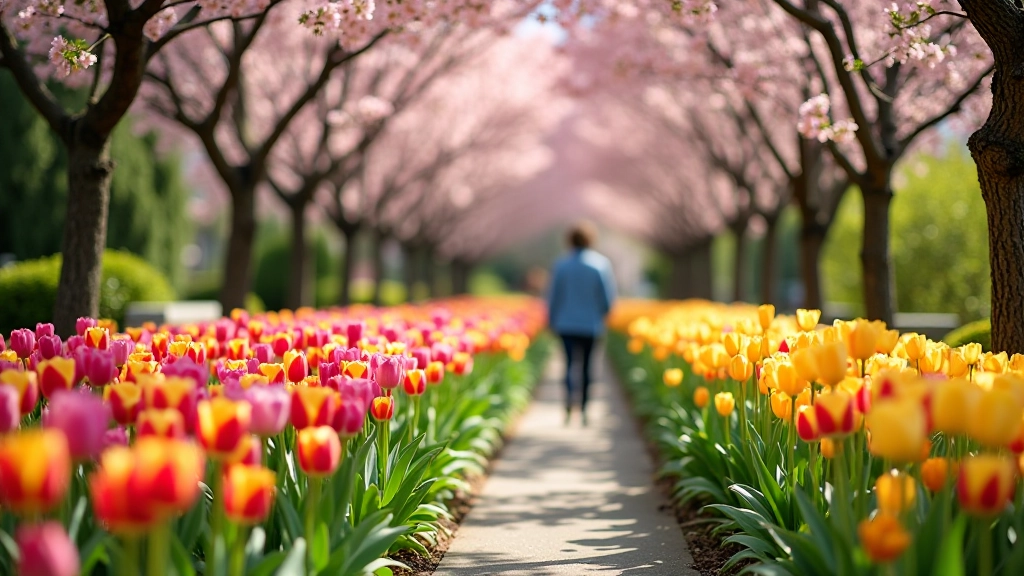
Spring arrives early at selkora — sometimes as early as late February. Daffodils and crocuses show up first, followed by tulips in April. By May, the Japanese cherry trees are in full bloom, and the whole place feels like a festival.
The Rhododendron Walk is where you'll spend most of your time in spring. These plants go wild April through May. You'll also want to hit the Woodland Garden for shade-loving plants like hellebores and primrose. It's less crowded than the main paths, and the morning light filters through the trees beautifully.
Walking time: About 90 minutes if you stop to actually look at things. The paths are mostly flat, though some areas can be muddy after rain. Bring layers — spring weather's unpredictable.
The roses take over. It's hot, but the color is incredible.
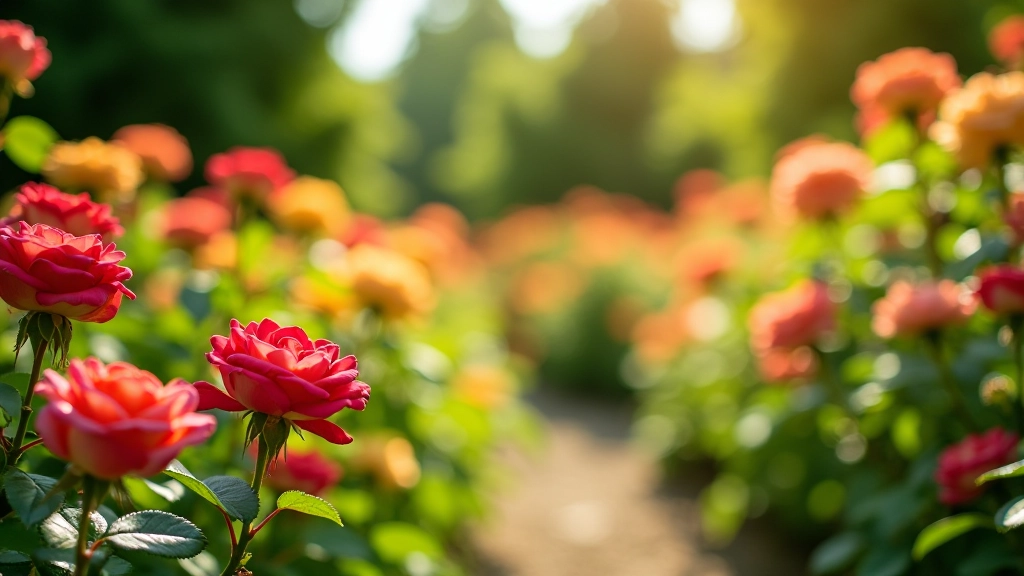
This is rose season. The Rose Garden is obviously the main attraction, but here's what most people don't know — there are over 3,500 rose varieties at selkora, and they don't all bloom at the same time. June roses are different from August roses. Early bloomers finish before the heat, and late bloomers come in when it's hot.
You'll also see dahlias, coneflowers, and lots of ornamental grasses in summer. The heat brings out strong scents — walking through the Rose Garden in July smells incredible, but it's also 25-28°C, so bring water and wear sunscreen.
Total walk time: 75-120 minutes depending on pace. The paths are well-maintained and mostly shaded if you stick to the tree-lined routes.
Foliage steals the show. Less crowded, better weather, and stunning views.
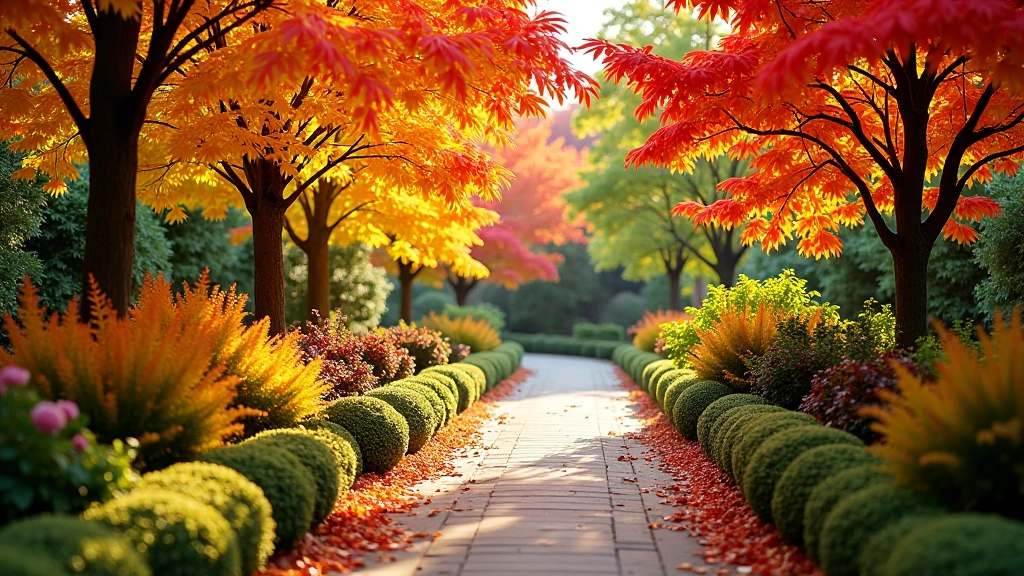
Fall is honestly underrated at Selkora. Everyone comes for spring roses, but fall offers something different — structure. When leaves change, you see the bones of the garden. Maples turn red and orange. Birches go golden. The Japanese Garden is stunning in fall light.
September still has summer bloomers (dahlias, asters), but October is all about foliage. The Maple Grove area becomes the main attraction. November? It's quiet. Leaves are mostly down, but the evergreens and ornamental bark plants are beautiful, and you'll practically have the paths to yourself.
Walking time: 90-120 minutes. The weather's cool enough that you won't get tired as quickly as summer. Paths can be slippery with wet leaves — good shoes matter here.
Fewer blooms, but unexpected beauty. The garden in its quiet phase.
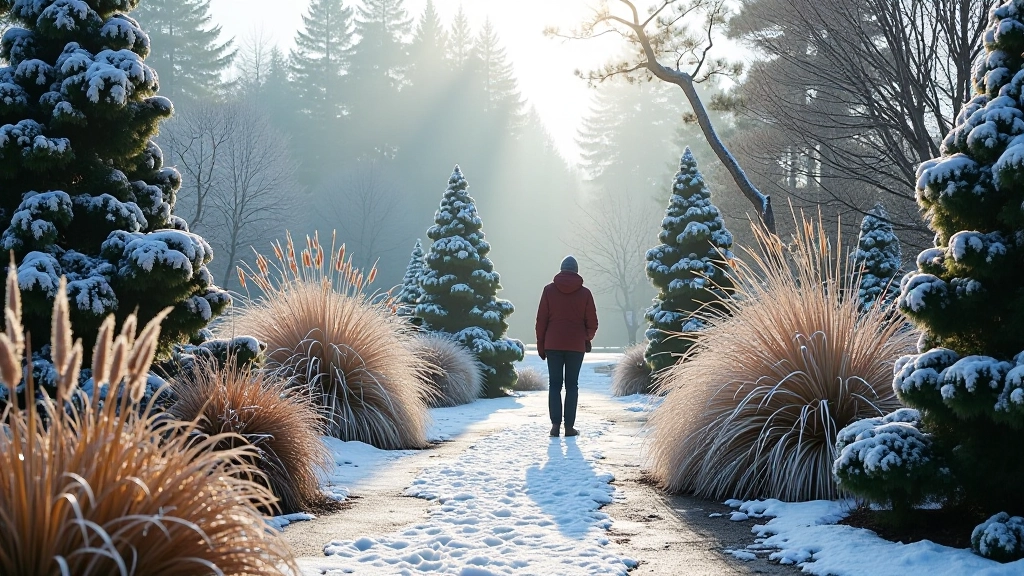
Winter's the hardest season to sell people on garden walks. There's less color, fewer blooms, and it's cold. But here's what we've learned: winter is when you actually see the garden design. When there aren't thousands of flowers demanding your attention, you notice the paths, the layout, the way plants are arranged.
You'll find winter-blooming plants like hellebores and witch hazel. Ornamental bark (birches, maples) becomes the main visual interest. The evergreens — junipers, conifers, bamboo — show their real structure. And on clear winter days, the light is sharp and dramatic in a way it isn't in summer.
Walking time: 60-90 minutes. You won't want to linger as long as in warmer seasons. Dress in layers. The main paths are maintained, but some secondary routes can be icy.
Peak bloom times vary. Spring roses peak mid-April. Summer heat brings best conditions late June. Fall color peaks early-mid October. Winter's quietest December-January.
Don't try to see everything. Pick a seasonal focus — Rose Garden in summer, Maple Grove in fall, Woodland Garden in spring. This keeps walks 75-120 minutes instead of exhausting 3-hour marathons.
Spring brings mud. Summer needs sunscreen and water. Fall has wet leaves. Winter can be icy. Come prepared for the season. Early morning walks in summer, midday in winter.
If you visit once a year, come in spring or early fall when conditions are ideal. If you visit multiple times, each season offers something completely different — it's not repetitive.
This guide is based on typical seasonal patterns at selkora Botanical Garden. Bloom times vary year to year depending on weather, temperature, and rainfall. We recommend checking the selkora website or calling ahead before your visit to confirm what's currently blooming, especially for specific plants or events. This information is provided for planning purposes and may change. Always bring water, wear appropriate footwear, and check weather conditions before heading out. The garden has uneven terrain in some areas — wear comfortable walking shoes.

Author
Editorial Team
Created by the selkora Editorial Team, focused on practical, accessible guidance for garden walks and seasonal discovery.
Explore more garden walks and what to expect
Three main routes through the rose beds, each designed for comfortable pacing. Best in June through August when blooms peak.
Read More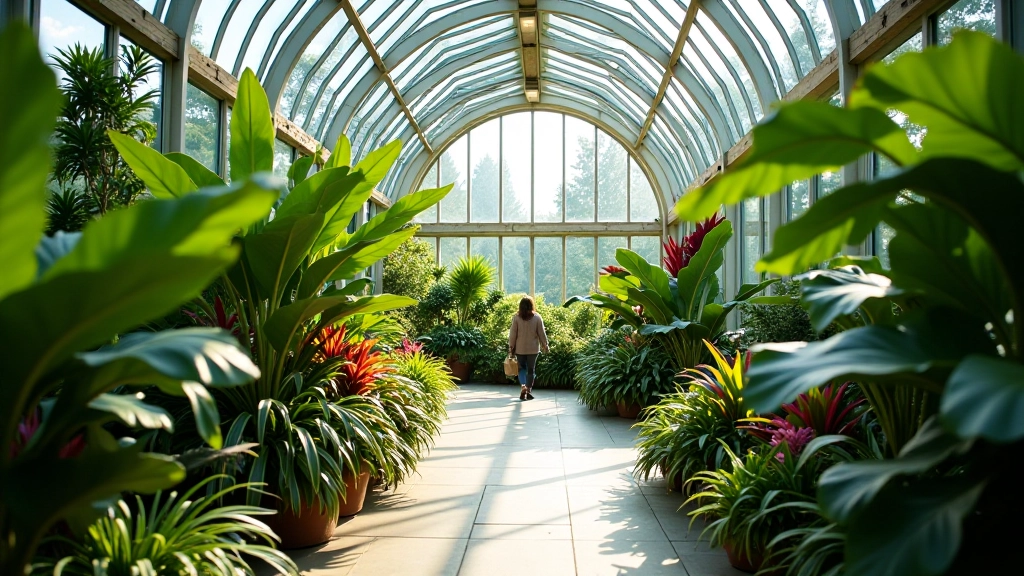
Climate-controlled pathways perfect for bad weather days. Accessible ramps, wide corridors, and tropical plants that bloom year-round.
Read More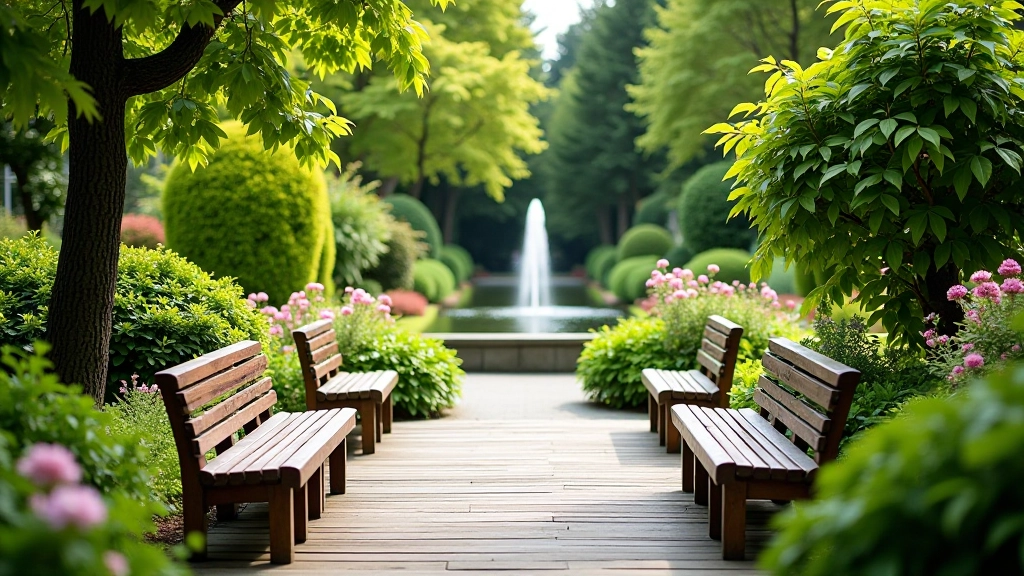
We've mapped every bench, water fountain, and shaded rest area. Walking distances between stops and accessibility information for all visitors.
Read More